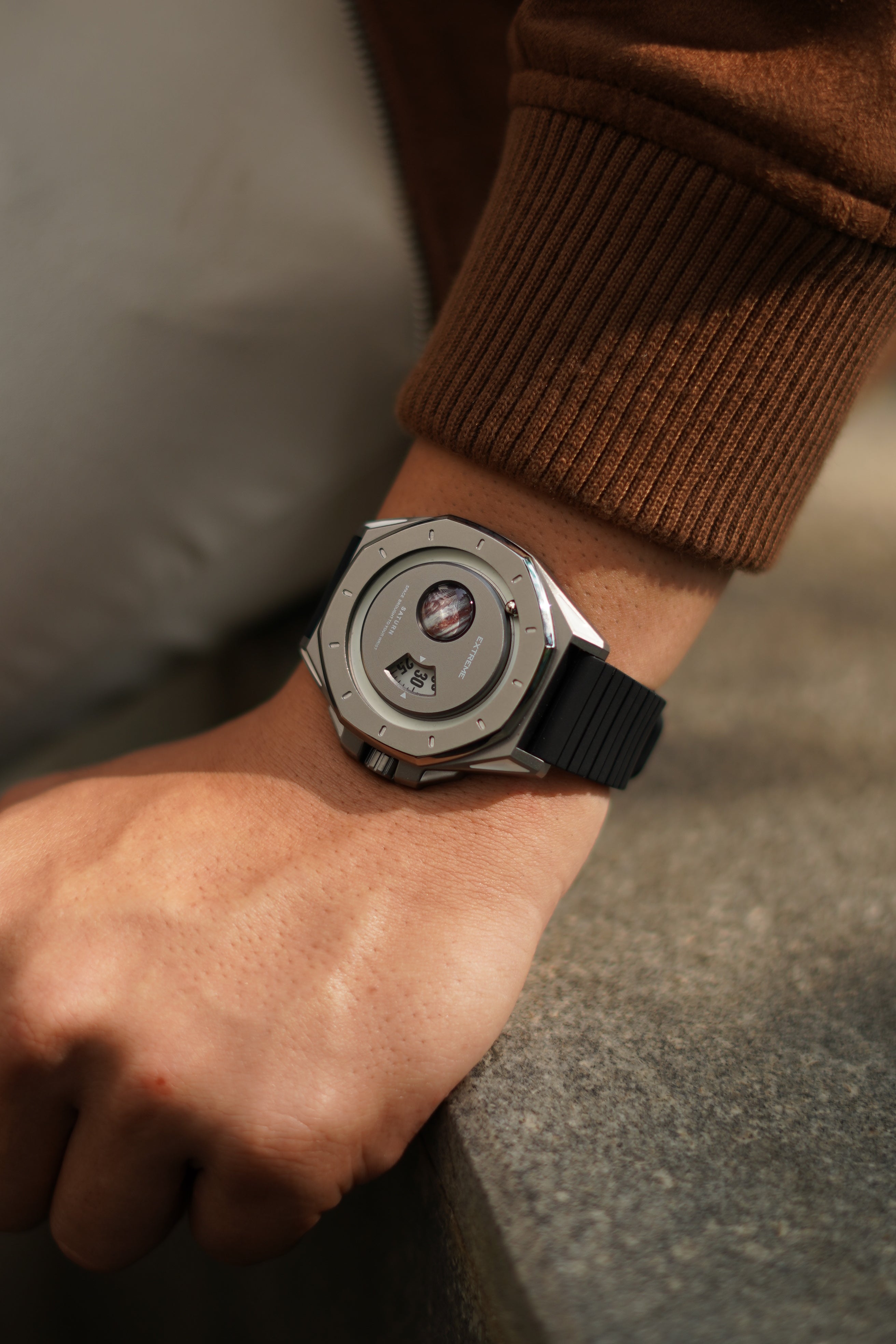
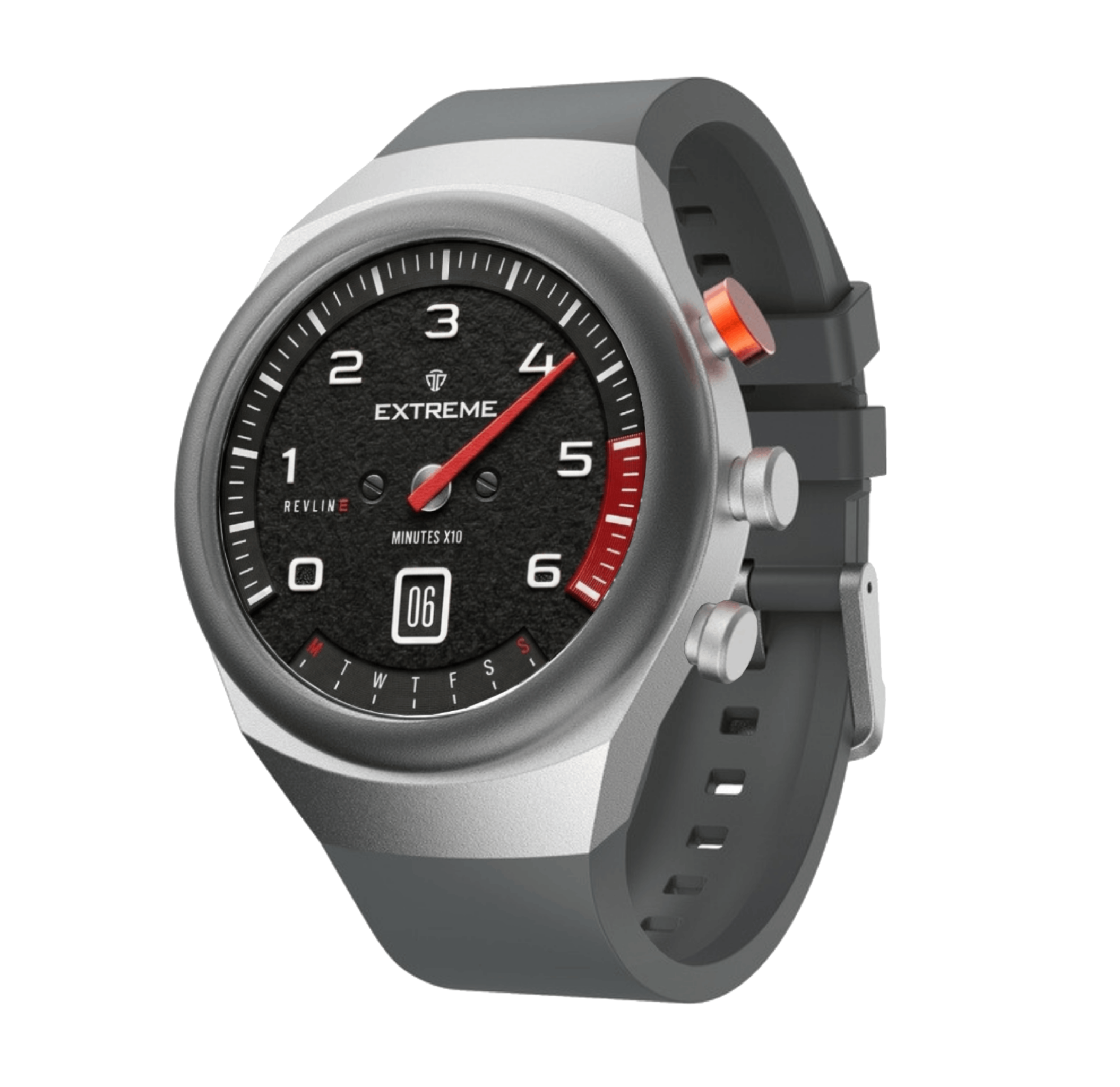
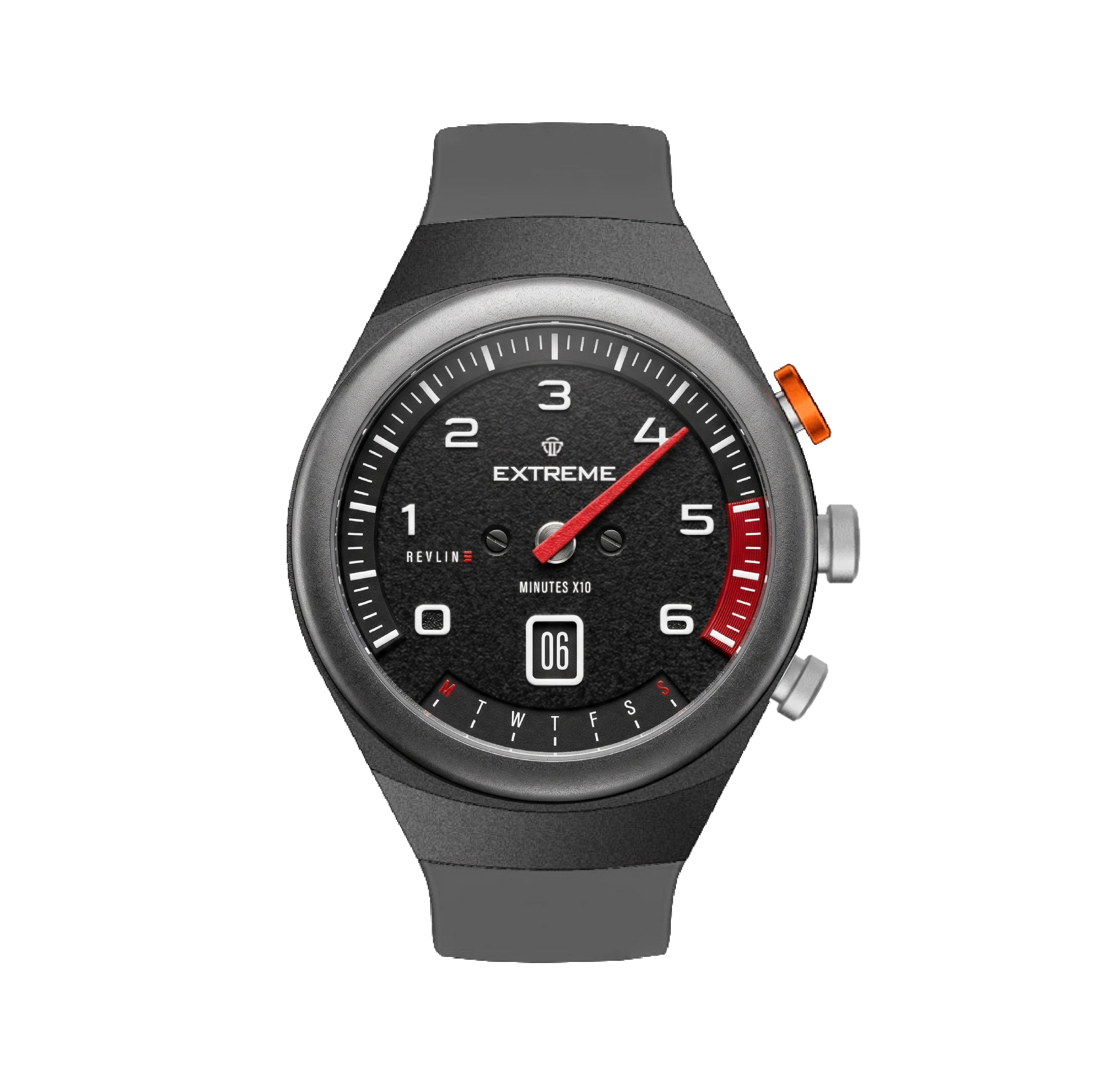
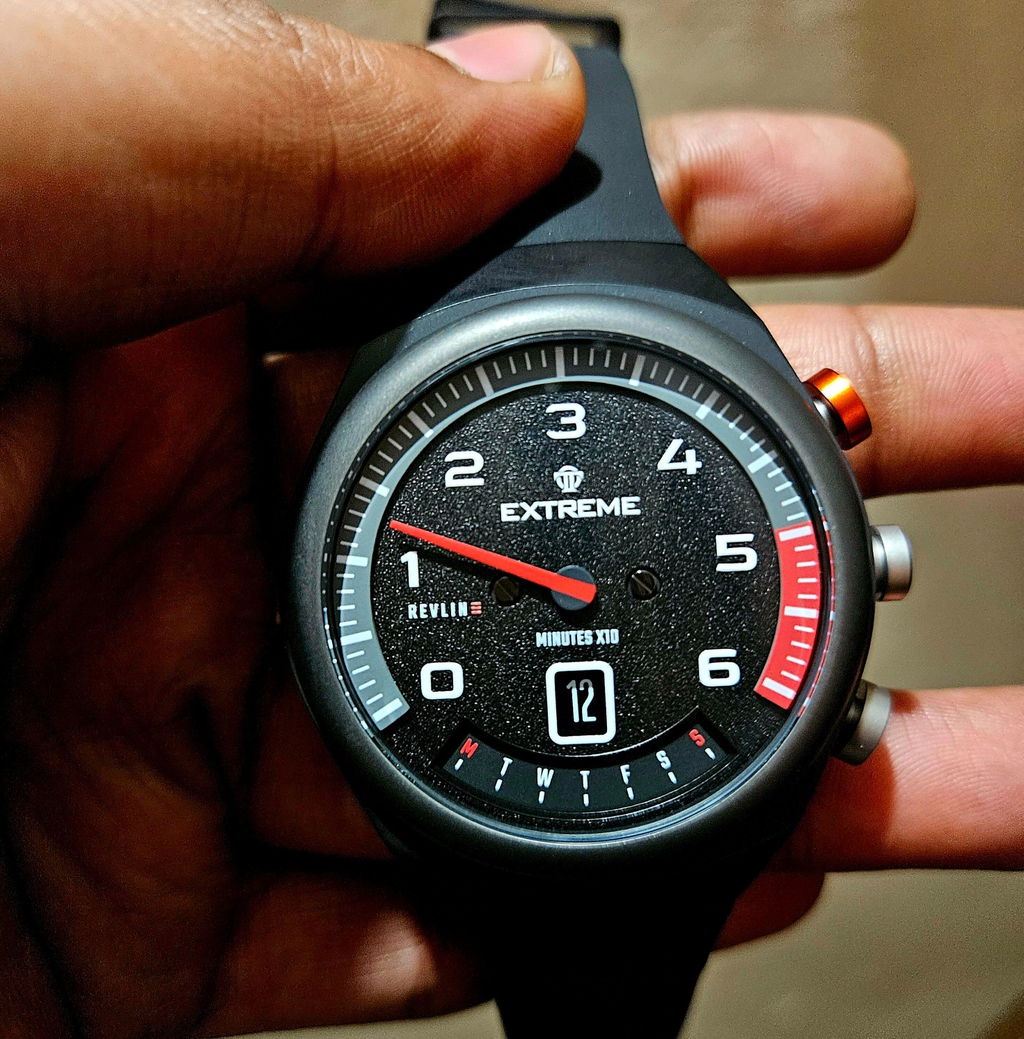
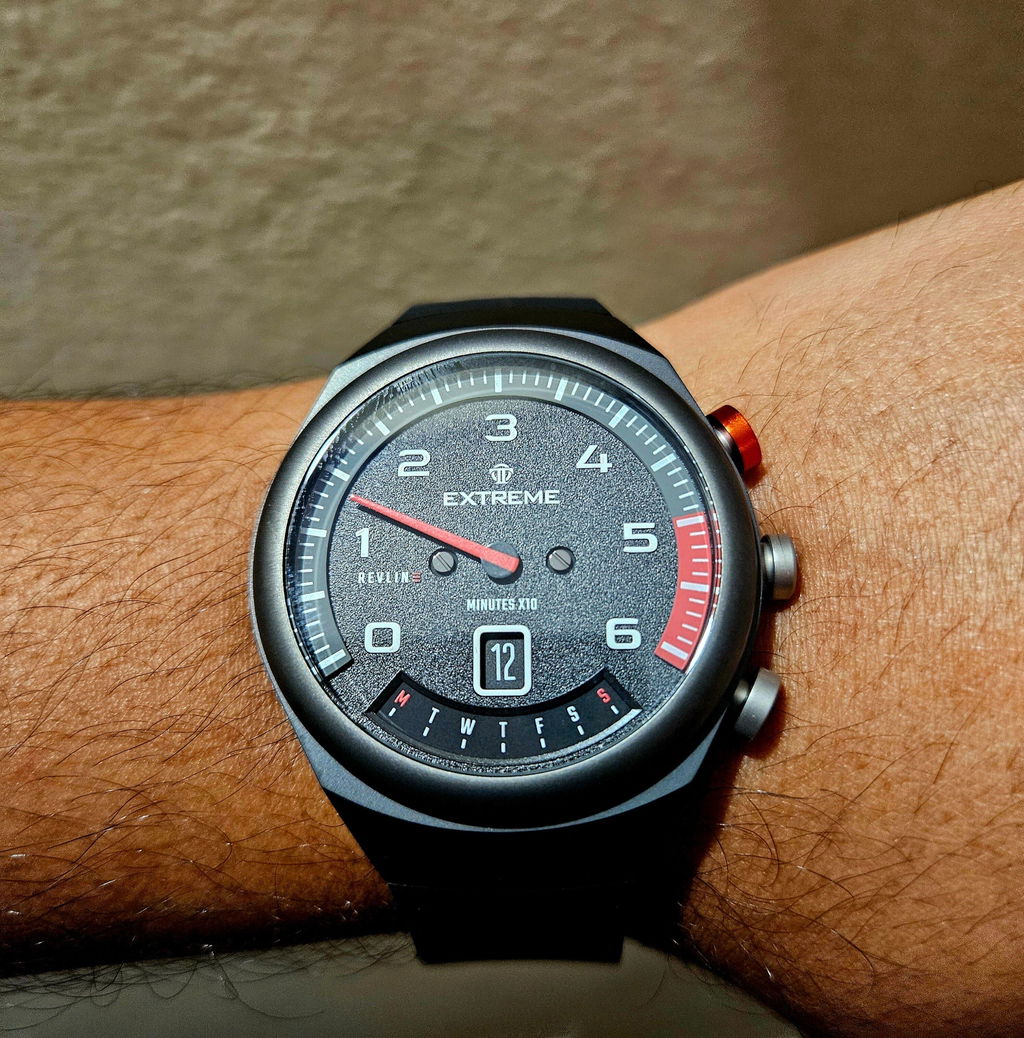
Let me start by saying — the watch arrived well-packaged, looks genuinely distinctive on the wrist, and does exactly what it promises. The jump hour complication is real, the build quality feels solid, and the motorsport-inspired dial design turns heads. No complaints on the product itself.
But here’s the honest part.
Spending ₹13,000 on an Indian microbrand is a leap of faith, and that leap never quite settles in your mind — even after the purchase. You keep thinking: for the same money, I could’ve owned a Casio Edifice or something from the Oak series, or a Timex Marlin with that beautiful sunburst dial, clean sweep second hand, and the weight of decades behind the name. Those watches come with a pedigree. Rugsac, for all its ambition, is still building one.
And then there’s the watch itself — the jump hour experience. Intellectually, you appreciate what it’s doing. The hour snaps forward with conviction, the minutes crawl on a linear track, and it genuinely looks unlike anything else on your wrist. But emotionally? It always feels slightly broken. Every time you glance at it, your brain expects something to be moving — a ticking hand, a sweeping second, something — and it just sits there. Static. Like a display model that forgot to wake up. That mental recalibration never fully goes away, especially if you’ve spent years reading time off an analog or even a digital display with a blinking colon.
It’s not a flaw in the watch. It’s a flaw in us — our expectations. But at ₹13,000, you’d want to enjoy the watch naturally, not have to remind yourself each time how to read it.
Bottom line: Rugsac is doing something genuinely interesting for the Indian watch market, and the Revline deserves respect for that. But the price-to-confidence ratio isn’t quite there yet for someone who isn’t already a committed watch enthusiast. If you’re buying this as a conversation piece or a collector’s curiosity, you’ll love it. If you’re buying it as your primary daily wear, the internal jury stays hung.